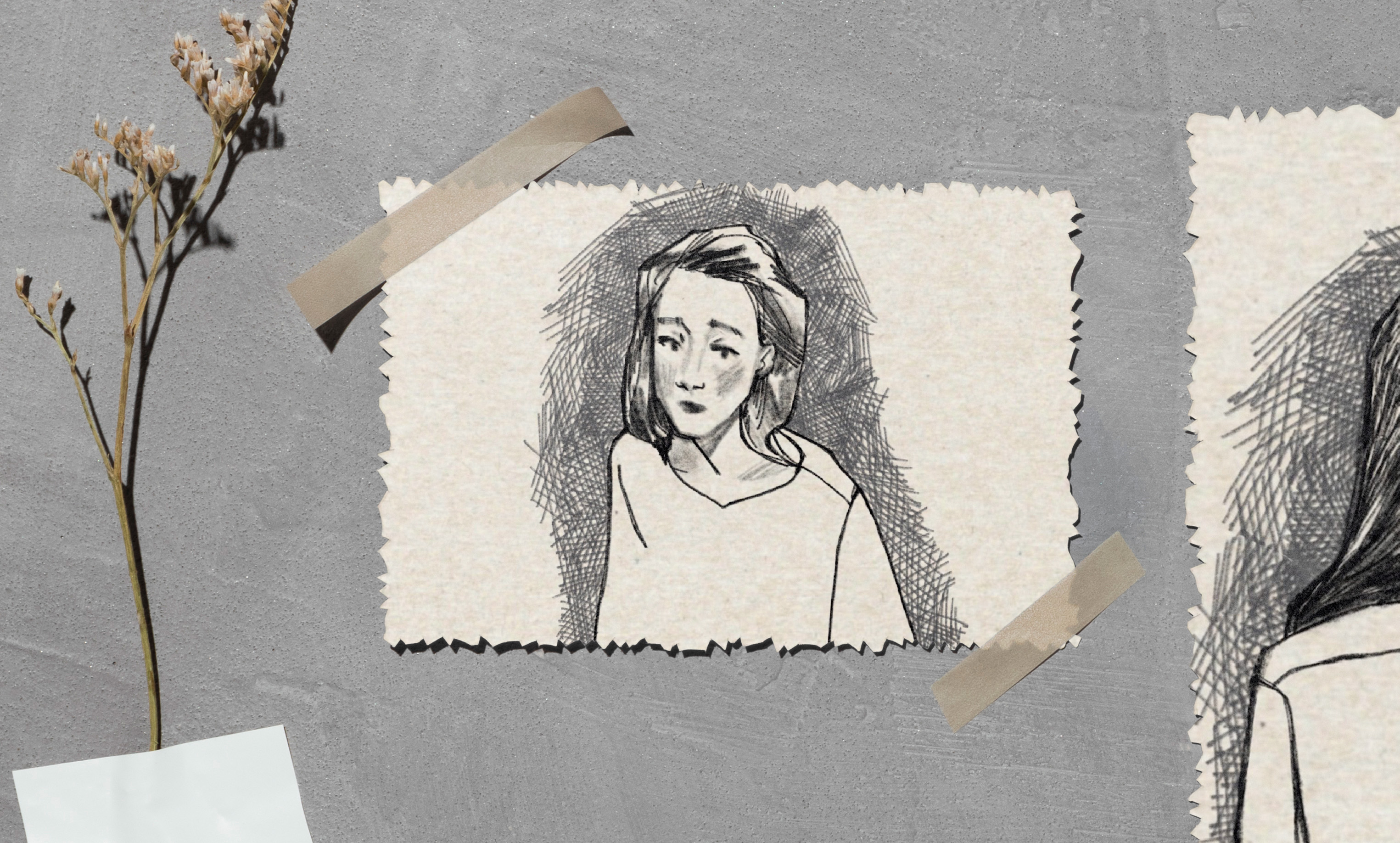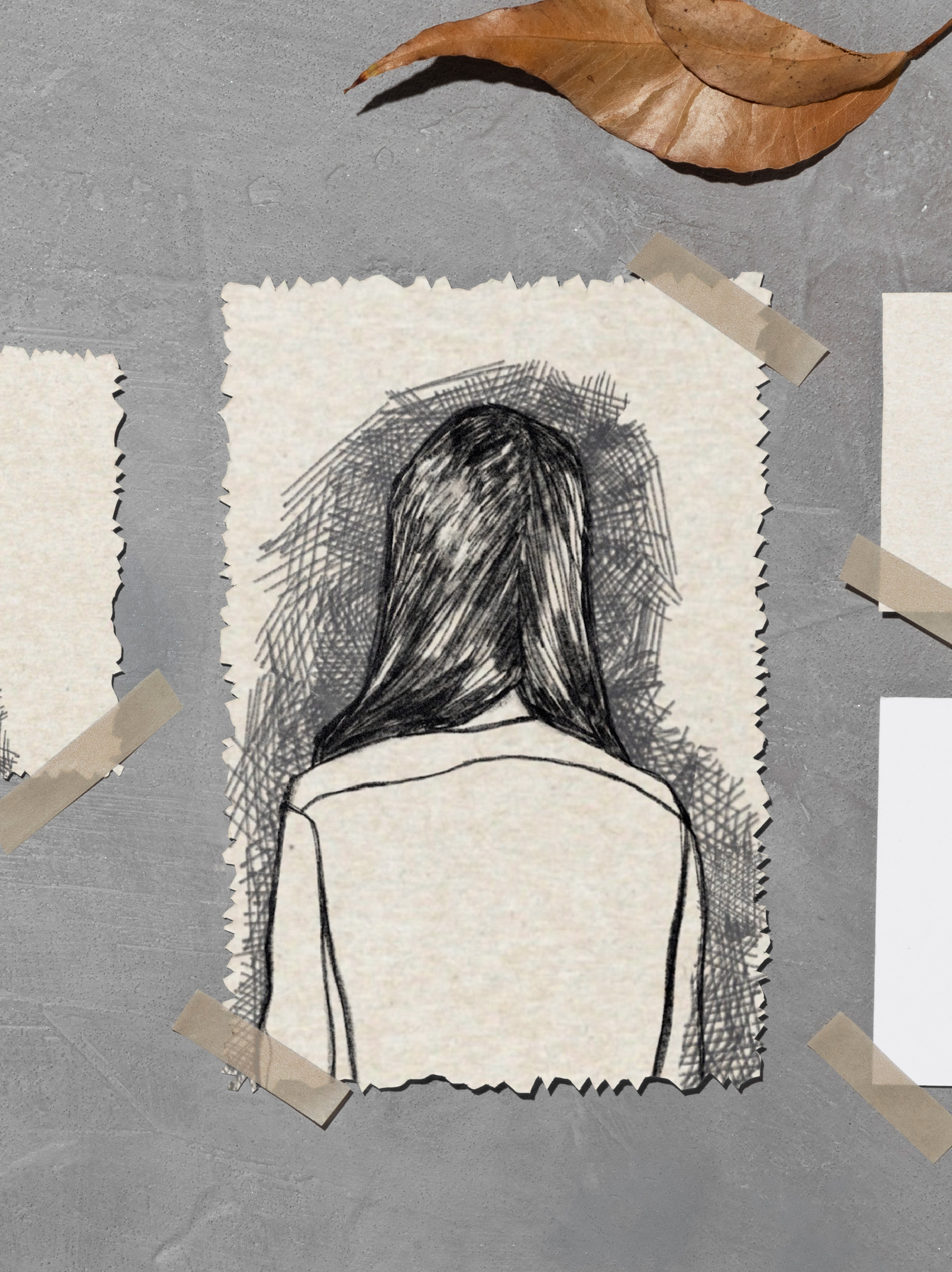

In our new project “Beyond borders” we will be presenting stories of women living in Central Asia without a single document certifying their identity. How did it happen to them? What difficulties do they face? Is there any way to solve this problem? The first among many more will be Nadezhda Karaseva’s story.
What does a term “stateless person” mean? Not many think about this topic in their everyday life: citizenship, the right to own property, to have education, medical care, freedom of movement – all these are considered to be an inseparable part of our everyday life, which as the air that we breathe should be afforded to every person on planet Earth. Imagine that there are people who live among us de facto, but de jure they do not. Simply at the account of the fact that they do not have any document certifying their identity. They have no documents at all.
Apatrides are people who do not have any citizenship or a nationality and who often lack any evidence that would assert their belonging to any citizenship or nationality.
The problem of statelessness is widespread in the world: in 2020 seventy-six states have reported total number of 4,2 million stateless persons. There are 7166 individuals officially recognized as stateless persons residing in Kazakhstan and they all were issued a stateless person document. However, according to the United Nations Office of High Commissioner for Refugees (UNOHCR) true number of stateless persons could be three times higher and that number already comparable with number of citizens of a small country.