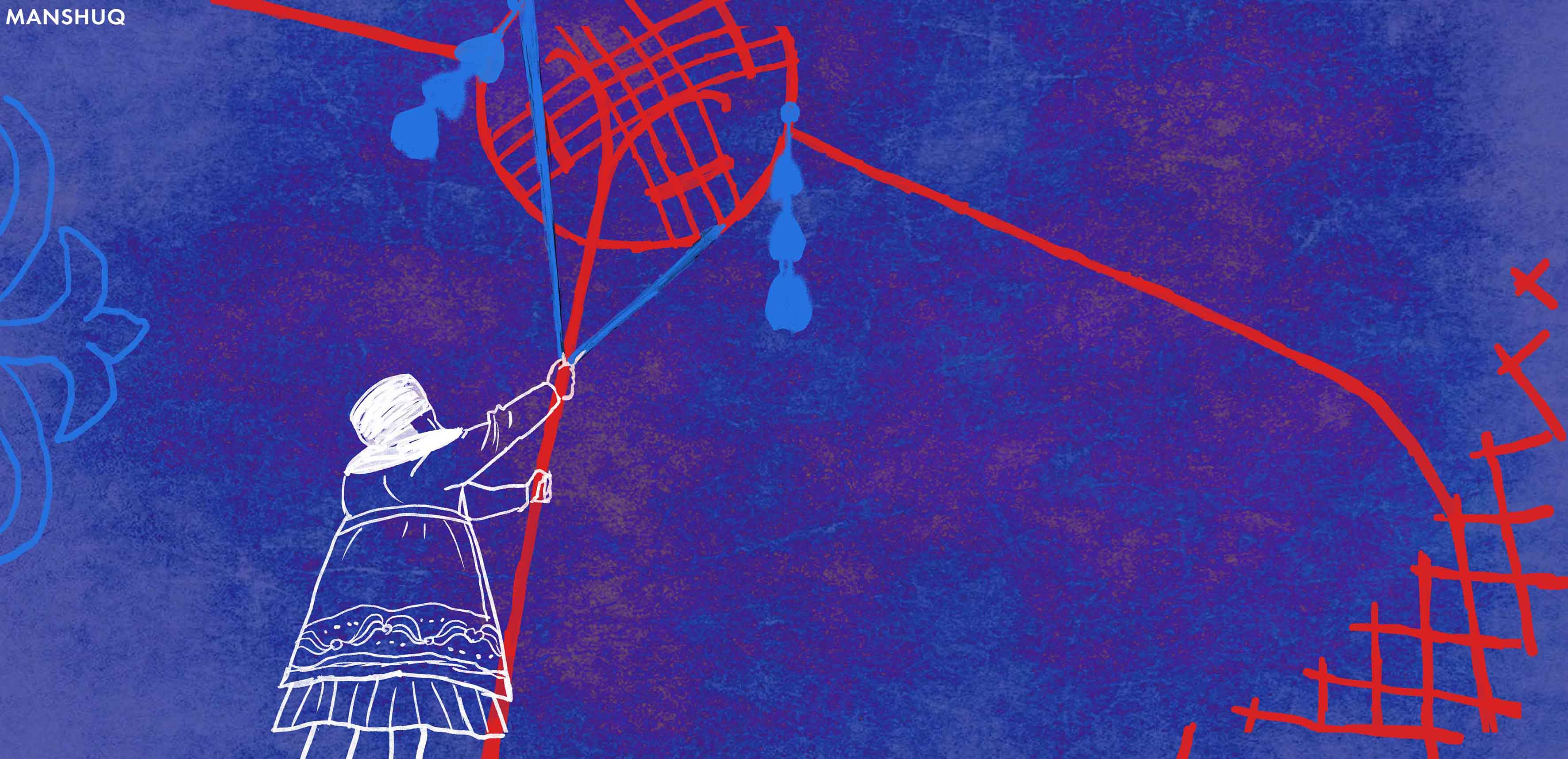

Historically, the word “yurt” didn’t refer to a dwelling, as is commonly thought now. Instead, it meant something like “camp site,” or more broadly, “community,” “people,” “existence.” To refer to an actual home, there was a separate word, kıіz úı in Kazakh or boz uy in Kyrgyz. The word’s usage to mean “a nomad’s dwelling” became widespread much later thanks to European travelers visiting Central Asia. But the semantics of these words are so subtly and symbolically intertwined, and the fact that they have merged into one meaning reflects the freedom-loving philosophy of nomadic civilizations. Our home is wherever our people are - and that is what defines our existence.
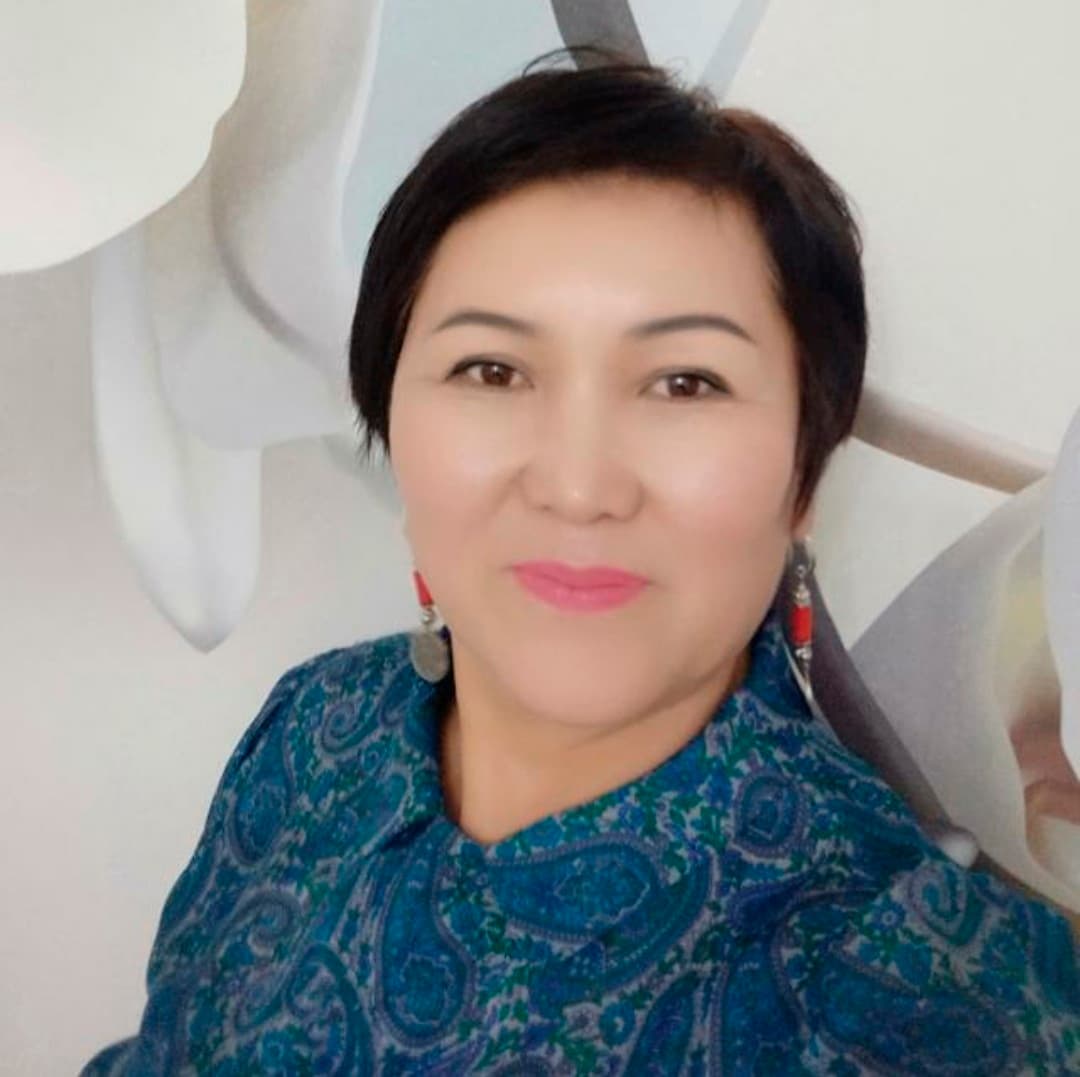
As part of a joint project of the European Union and UNESCO on the Silk Road, Manshuq is highlighting traditional crafts of Central Asia, here profiling the founder and director of a cultural center, or “ethnic village,” Zhyldyz Asanakunova from Kyrgyzstan.
Bermet Ulanova
Pictured: Zhyldyz Asanakunova
Zhyldyz was born in 1971 in the village of Kayyrma-Aryk, in Kyrgyzstan’s Ak-Suu county. She graduated high school and then majored in graphic arts at Kasym Tynystanov University in the city of Karakol. When she was a university student, she married her classmate, and they now have two sons, a daughter and three grandchildren. They all live together on the southern shore of Lake Issyk-Kul, where in 2014 they founded a cultural center, or “ethnic village” called Almaluu.