
Cultural Treasures
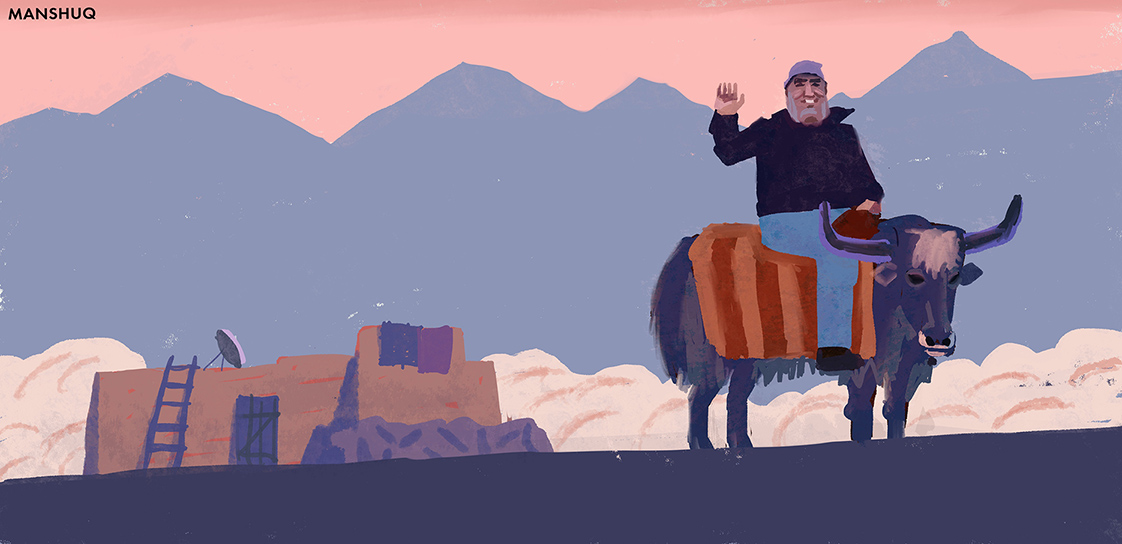
For example, it is worth taking a trip to a kind of special local house – the chid (or chud). A quite ordinary one-story building made of clay, stone, and wood (poplar or apricot), with a flat roof. But it is more than just a house, it is a temple filled with spiritual traditions and mysteries. The interior decorations of Pamiri homes have their own symbolism. In these homes, nothing is accidental. The first thing you see as you enter the house is a large room with five pillars running from floor to ceiling. This refers to the mountain world where the prophets and saints that are mediators between God and men live. The pillars symbolize five Muslim saints and before Islam they were named after Zoroastrian deities. Chids help locals continue with their collective life skills, pass on the material and spiritual culture of their ancestors to new generations, and preserve their identity and the ancient Pamiri languages and customs. All rituals, from childbirth to funerals, take place in these traditional houses. The Pamiris lived in enclosed highland valleys, squeezed in between the Hindu Kush and Pamir ranges. This is what has helped them maintain their culture and way of life.
The Pamirs are also famous for their jurabs – these are long socks knitted from pure natural wool by local artisans. The patterns, colors (only natural dyes are used to color the wool) and symbols reflect the ancient history of the Pamiris.